
Chocolate brown has moved from seasonal accent to everyday neutral. British Vogue highlighted its prominence across the autumn/winter 2025 collections, while Pantone’s 2025 colour choice, Mocha Mousse, helped broaden interest in the brown family. Yet a runway reference is not what makes the shade useful. Its real strength is that it can replace black, soften denim and connect warm and cool colours without demanding a completely new wardrobe.
The easiest approach is to stop treating brown as a special trend. Use it where you already rely on navy, charcoal or black: a pair of trousers, a jumper, a coat or a bag. Once one dependable piece is in rotation, colour combinations become much clearer. You can then decide whether a tonal look, a sharp contrast or a small accessory feels most natural.
Find the brown that suits your wardrobe
Chocolate is not one exact colour. Some versions are almost espresso, others have red, plum or golden undertones. Place the garment beside the colours you wear most. A cooler, near-black brown often sits easily with grey, crisp white and cobalt. A warmer cocoa or chestnut looks natural with cream, olive, rust and soft blue. There is no need to diagnose your complexion before you begin; simply compare shades in daylight and notice which ones make your familiar clothes look better.
Fabric changes the colour too. Brown velvet absorbs light, satin reflects it, wool appears soft and suede looks dusty. This means two pieces labelled ‘dark brown’ may not match, and that is often useful. Slight variation creates depth in a tonal outfit. Aim for deliberate harmony rather than the impossible task of matching every brown exactly.
Begin with one reliable anchor piece
Choose the category you wear most. If jeans dominate your week, try a brown jumper or jacket. If tailored trousers are your default, a chocolate pair can replace black while keeping the same outfit structure. If you prefer dresses, a brown midi provides a base for trainers, boots and smarter shoes. Accessories are a low-commitment starting point, but they should still connect to several outfits rather than exist only to acknowledge the trend.
Before buying, create three complete combinations around the proposed piece. Photograph them and check whether you would wear them to real events in the next month. This avoids collecting a beautiful shade in an awkward silhouette. Colour cannot compensate for a waistband that pinches, a jumper that requires fussy care or a bag that will not hold your daily essentials.
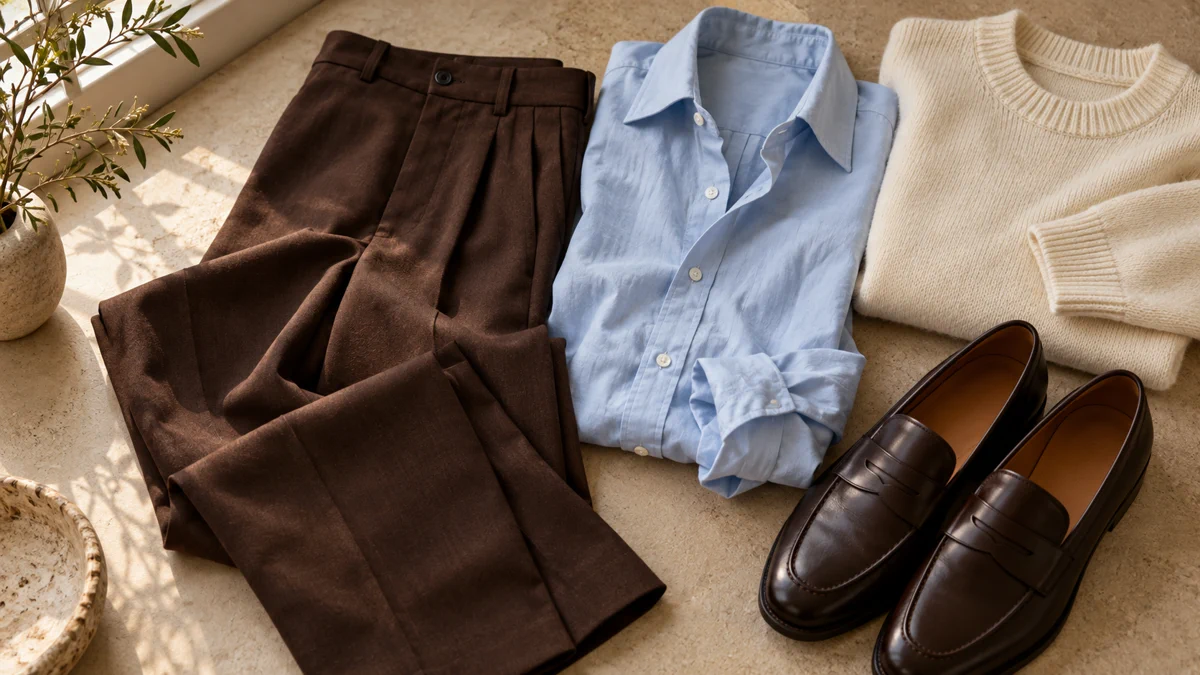
Pair chocolate brown with cream and white
Cream gives chocolate brown an easy, polished contrast. Try dark brown trousers with an ecru knit, a cream shirt under a cocoa blazer, or a brown dress with an ivory cardigan. Pure white creates a crisper effect and works particularly well with cotton shirts, trainers and summer vests. The combination can look flat if every piece has the same smooth texture, so mix ribbed knitwear, denim, leather or linen.
For a simple work formula, combine chocolate trousers, a cream top and black or brown loafers. At the weekend, use brown denim with a white T-shirt and a checked overshirt. These outfits feel current because of the colour, but their shapes are familiar enough to survive after trend coverage moves on.
Use blue to make brown feel lighter
Brown and blue balance one another particularly well. British Vogue noted the pairing on the autumn/winter 2025 runways and in street style, often using sky-blue shirting against deep brown outerwear. You can translate that idea without copying a catwalk look: wear a pale blue shirt with chocolate cords, place a brown blazer over blue jeans, or add a powder-blue knit beneath a dark coat.
Denim is the most accessible version. Mid-blue jeans keep brown casual, dark indigo makes it sharper and faded denim adds contrast. If the combination feels too cool, bridge it with cream socks, a tan belt or gold-toned jewellery. Navy also works, but choose clearly different depths so the colours look intentional rather than as though you dressed in poor light.
Yes, brown can work with black
The old idea that brown and black should not meet is not useful. The pairing succeeds when the contrast is visible and repeated. A chocolate coat over an all-black base creates a strong frame. Black jeans with a brown knit and black shoes look coherent because black appears more than once. A brown handbag with a black dress works when the bag has enough depth or texture to stand apart.
Avoid combining several almost-identical very dark pieces if their undertones fight. In low light, muddy brown beside faded black can look accidental. Introduce a lighter element—white tee, silver jewellery or a bare ankle—or choose a tactile brown such as suede-effect fabric, corduroy or brushed wool so the difference reads clearly.
Build a tonal brown outfit with texture
Head-to-toe brown can look elegant without feeling formal. Start with two or three related shades rather than one perfect match: espresso trousers, a cocoa knit and a camel coat, for example. Vary the silhouette as well as the surface. A fitted top beneath relaxed trousers creates shape; a fluid skirt balances a substantial jumper; a smooth bag provides a clean counterpoint to fuzzy knitwear.
If a fully tonal outfit feels heavy, expose a small area of cream or blue at the neckline and cuffs. This visual break is especially useful in winter, when layers can become dense. In warmer weather, switch to lighter fabrics: a chocolate linen-blend dress, brown cotton trousers or a sleeveless knit can retain the palette without carrying its autumnal weight.
Make brown work across the seasons
Spring
Pair a brown blazer with pale denim, striped cotton or a soft pastel. The deep neutral stops light colours becoming overly sweet, while the lighter pieces make brown feel less wintry. Loafers or trainers keep the result practical for uncertain weather.
Summer
Use chocolate in breathable pieces and show more contrast. A brown vest with white trousers, a simple midi dress with tan sandals, or brown shorts with a blue shirt can look crisp. Check fabric weight and lining rather than assuming the colour itself will feel hot.
Autumn and winter
This is where brown feels intuitive. Combine it with burgundy, forest green, denim, cream and warm grey. A coat or knit becomes the anchor; scarves and boots add texture. Thermal layers can sit underneath without changing the visible formula.
Use accessories to test the colour
A belt, bag or shoe can introduce chocolate brown without reorganising the wardrobe. The most versatile accessory relates to materials you already wear. If your coats have warm buttons and your jewellery is mostly gold-toned, rich brown leather may connect naturally. If your style is cooler and minimal, espresso suede-effect or smooth near-black brown may integrate more easily.
Do not feel obliged to match belt, bag and shoes. Modern outfits often look more relaxed when only two elements have a relationship, or when one brown accessory stands alone against denim and white. What matters is repetition elsewhere in the outfit’s mood: clean lines, warm texture or a shared level of formality.
Seven easy chocolate-brown outfit formulas
- Chocolate jumper + straight blue jeans + black ankle boots.
- Brown tailored trousers + pale blue shirt + cream trainers.
- Dark brown blazer + white T-shirt + faded denim + loafers.
- Chocolate midi dress + ivory cardigan + knee-high boots.
- Brown coat + black roll-neck + black trousers + silver jewellery.
- Cocoa cardigan + cream vest + olive trousers + trainers.
- Espresso skirt + striped knit + burgundy flats.
Avoid the common styling traps
- Buying several brown items before proving that one works with your wardrobe.
- Choosing a fashionable fabric that cannot handle your routine or the British weather.
- Trying to match different browns exactly instead of using visible tonal variation.
- Letting an oversized brown piece overwhelm every other proportion.
- Saving the colour only for autumn when lighter fabrics can carry it through spring and summer.
Chocolate brown earns its place when it behaves like a neutral rather than a costume. Start with a useful piece, combine it with colours already in your wardrobe and let fabric and proportion create interest. The trend may have been amplified by runways and colour forecasts, but the everyday value lies in repeatable outfits—and those can last much longer than a single season.

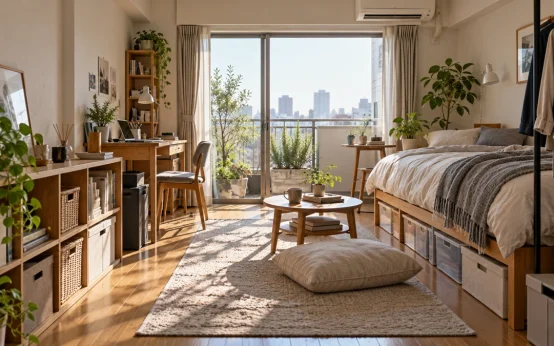 狭い 部屋でも 暮らしやすい 余白を つくる 収納の 工夫 <p style=' font-weight: normal; line-height: 1.9rem !important; font-size: 17px !important;'> 床を埋めず、動線と安全を守りながら持ち物の定位置を決める </p>
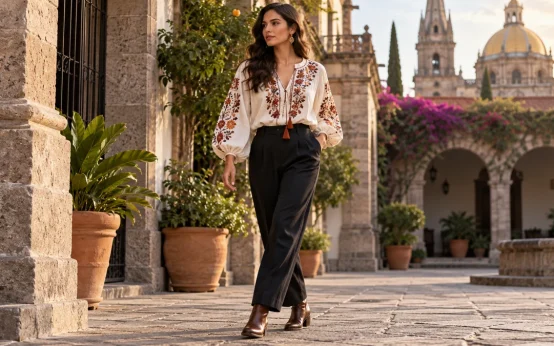 Cómo adaptar el estilo boho moderno cotidiano <p style=' font-weight: normal; line-height: 1.9rem !important; font-size: 17px !important;'> Texturas, capas y accesorios bien editados para llevar la tendencia sin parecer disfraz. </p>
 Rutina de armario que ahorra tiempo diario <p style=' font-weight: normal; line-height: 1.9rem !important; font-size: 17px !important;'> Un sistema simple para encontrar, combinar y guardar tu ropa con menos decisiones cada mañana. </p>