
Most FIT Mastercard credit card reviews focus on the positives. This one tries to give you the complete picture — because understanding the trade-offs is exactly what helps you decide whether this card belongs in your wallet or not.
The FIT Mastercard sits in a specific corner of the credit card market: unsecured cards designed for people with limited, damaged, or no credit history. It doesn’t require a security deposit, which immediately sets it apart from the majority of credit-building options. That single feature makes it genuinely accessible for people who can’t or don’t want to tie up cash upfront.
What the FIT Mastercard Actually Offers
The card opens with a $400 credit limit. After demonstrating responsible use — on-time payments and staying within your limit — that ceiling can double to $800. For someone in the early stages of credit-building, this progression matters: lenders look at credit utilization, and having more available credit makes it easier to keep that ratio low without changing your spending habits.
Every month, your payment behavior gets reported to all three major credit bureaus — Equifax, TransUnion, and Experian. This is the engine behind any credit-building card. Consistent on-time payments create a track record that gradually improves your score and expands your options over time.
The card is accepted everywhere Mastercard works, which in practice means virtually everywhere — online, in stores, internationally. Online account management is available around the clock, and the card includes standard zero liability protection against unauthorized charges.
The Fees You Need to Know Before Applying
This is where the FIT Mastercard requires careful attention. The card carries an APR that sits on the higher end of the market, which is typical for unsecured credit-building cards. Where it gets more complex is the additional fee structure — annual fees, monthly maintenance fees, and one-time program fees can add up quickly, particularly in the first year.
The practical implication: if you carry a balance month to month, the cost of this card climbs significantly. The FIT Mastercard works best as a tool for building credit, not as a way to finance purchases over time. Paying the full balance each month eliminates interest charges and keeps the card’s cost contained to the fixed fees.
Before applying, read the fee schedule carefully — not just the headline APR. The total cost in year one can be higher than it appears from marketing materials.
Who the FIT Mastercard Makes Sense For
The strongest case for this card is someone who genuinely cannot qualify for anything else and needs an unsecured option. If every secured card feels like a dead end because you don’t have cash for a deposit, the FIT Mastercard removes that barrier.
People starting their credit journey from scratch — recent immigrants, young adults with no history, or anyone who has been outside the banking system — can use this card to establish a track record. The three-bureau reporting means each month of responsible use is building something real.
It also works for someone who knows they’ll use it sparingly — a recurring subscription, one monthly bill — and pay it off immediately. Minimal spending plus on-time payment equals credit score improvement without accumulating interest.
When You Should Look at Other Options
If you can put down a security deposit, a secured card like the Discover it Secured or Capital One Platinum Secured typically offers better terms: lower fees, cashback rewards, and a clearer path to upgrading. The security deposit is returned when you graduate to an unsecured product.
If your credit isn’t as damaged as you think — scores above 580 or 600 often qualify for options with lower fee structures — shopping around before applying to the FIT Mastercard is worthwhile. A soft credit check through a pre-qualification tool costs nothing and doesn’t affect your score.
How to Maximize the FIT Mastercard if You Have It
- Set up autopay for the full statement balance every month — this eliminates interest entirely
- Keep your utilization below 30% of your limit — on a $400 limit, that means spending under $120 before your statement closes
- Once your limit doubles to $800, the same spending pattern represents half the utilization ratio
- Check your credit score monthly through a free service — watching it move upward is the best motivation to stay consistent
- After 12 months of good behavior, shop around for cards with better terms — the FIT Mastercard is a starting point, not a destination
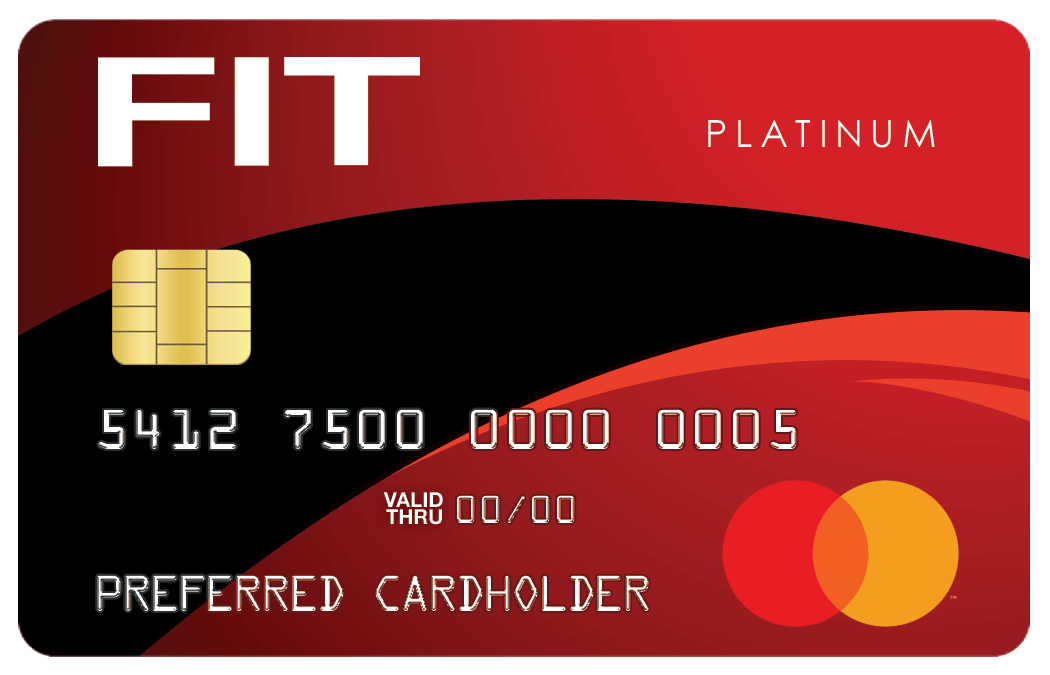
FIT Mastercard® Credit Card
FIT Mastercard vs. Alternatives for Credit Building
| Card | Security Deposit | Annual Fee | Best For |
|---|---|---|---|
| FIT Mastercard | None | Yes | No-deposit credit building |
| Petal 1 Visa | None | None | No credit history + cashback |
| Wells Fargo Reflect | None | None | 0% APR intro + existing credit |
Frequently Asked Questions — FIT Mastercard Credit Card Review
How long does approval typically take?
Most applicants receive a decision within a few minutes of submitting an online application. In some cases, additional review may extend the process by a few business days.
Does applying hurt my credit score?
Yes. Submitting a full application triggers a hard inquiry, which temporarily lowers your score by a small amount. Pre-qualification — if available — uses a soft pull and doesn’t affect your score.
Can I increase my credit limit beyond $800?
The advertised path goes from $400 to $800. Any further increases would depend on the issuer’s policies and your account history at that point.
Is the FIT Mastercard a secured or unsecured card?
It is unsecured — no security deposit is required. This distinguishes it from secured cards that require you to put cash down equal to your credit limit.
What happens if I miss a payment?
Missing a payment results in a late fee and the missed payment will be reported to the credit bureaus, negatively affecting your score. On a credit-building card, consistent on-time payment is the entire point — a missed payment can undo months of progress.
The Bottom Line on the FIT Mastercard
This FIT Mastercard credit card review comes down to one question: is removing the security deposit barrier worth the fee structure? For some people — genuinely, yes. If you have no alternative path to an unsecured card and you’re committed to using it carefully, the FIT Mastercard can do exactly what it promises: help you build a credit history that opens better doors over time. The key is treating it as a temporary tool rather than a long-term product, and graduating to a lower-fee card as soon as your score qualifies.
FIT Mastercard® Credit Card

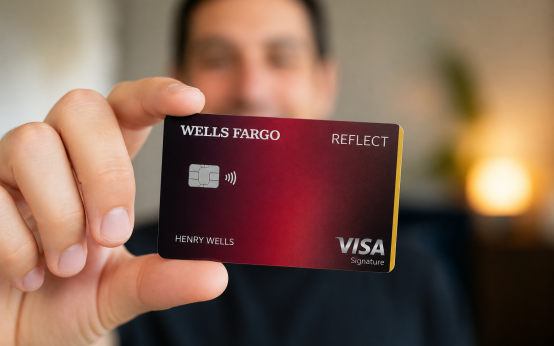 Wells Fargo Reflect Card: Is It Worth It for People Who Actually Pay Attention to Their Money? <p style=' font-weight: normal; line-height: 1.9rem !important; font-size: 17px !important;'> A clear-eyed look at who benefits most from the Reflect Card, which features actually deliver real value, and what to watch out for before applying. </p>
  Petal 1 Visa Card for Bad Credit: The Real Story Behind the “No Credit Score Needed” Claim <p style=' font-weight: normal; line-height: 1.9rem !important; font-size: 17px !important;'> How the Petal 1 actually evaluates applicants without a traditional credit score, who gets the most out of it, and where other cards might serve you better. </p>